Understanding the psychological triggers that drive gambling behavior
The Allure of Risk and Reward
The thrill of gambling often stems from the inherent risk and potential for reward. This interplay between chance and winning creates an adrenaline rush that many find intoxicating. When players engage in gambling, their brains release dopamine, a neurotransmitter associated with pleasure and reward. This biological response reinforces the desire to gamble, making the experience more enticing. Moreover, players can enjoy options like an instant withdrawal casino which enhances their gaming experience.
Moreover, the psychology behind risk-taking behaviors can be traced to deeper emotional factors. Many individuals are drawn to gambling as a way to escape reality or cope with stress. The excitement of a gamble can provide temporary relief from everyday pressures, leading players to return for that fleeting moment of euphoria. This connection between gambling and emotional regulation often creates a cycle that can be difficult to break.
The Role of Social Interaction
Gambling is not merely an individual activity; it often involves social interaction that enhances its appeal. Whether in a casino or an online gaming platform, the communal experience of gambling can foster a sense of belonging and camaraderie among players. This social element can amplify the excitement, as players share in victories and losses, making the experience more memorable.
Furthermore, peer influence plays a significant role in gambling behavior. Individuals are often swayed by friends or social circles, encouraging them to participate in gaming activities. The desire for acceptance and validation can drive individuals to gamble more than they might independently choose to. This social pressure, combined with the thrill of the game, can lead to higher levels of engagement and, at times, problematic gambling behavior.
The Impact of Environmental Cues
The environment in which gambling occurs significantly influences behavior. Casinos and online platforms are designed to entice players, often using bright lights, sounds, and décor to create an exhilarating atmosphere. These environmental cues trigger excitement and anticipation, making it easier for individuals to lose track of time and money while gambling.
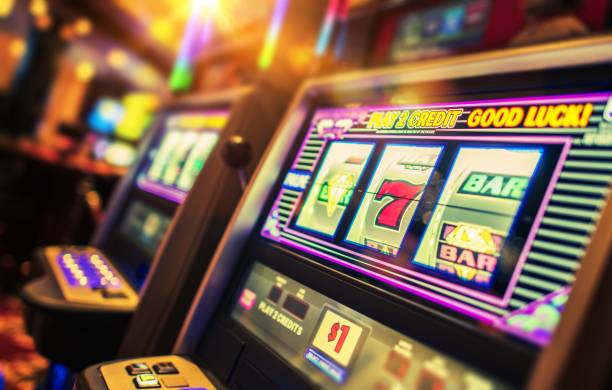
Additionally, the availability of certain games can lead to impulsive gambling behaviors. The design of slot machines, with their colorful displays and the promise of large jackpots, can create a sense of urgency that encourages quick decisions. Players may find themselves caught up in the moment, often betting more than they initially intended due to the stimulating environment that surrounds them.
The Illusion of Control
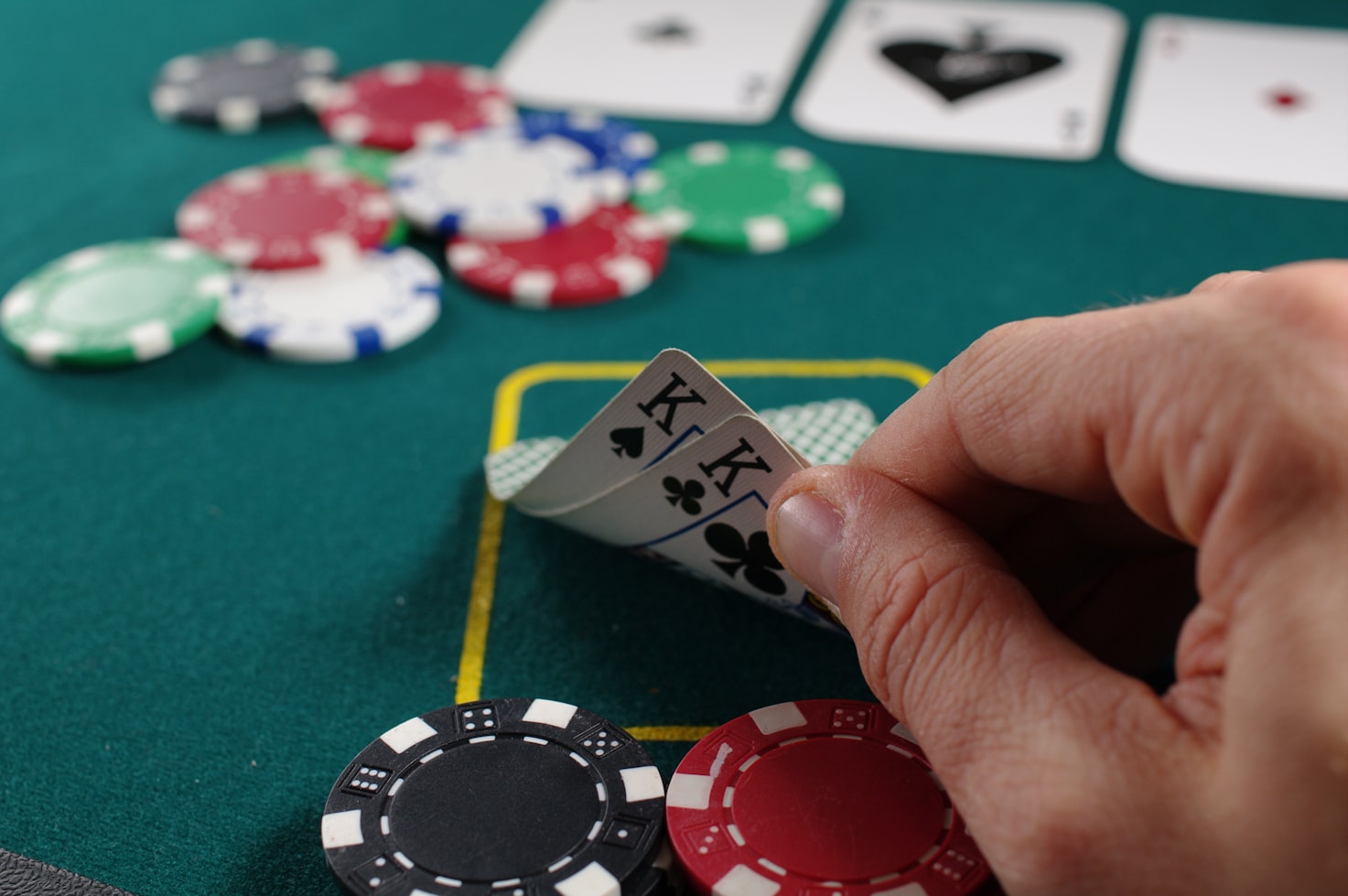
One of the most fascinating psychological aspects of gambling is the illusion of control. Many gamblers believe they can influence the outcome of games, particularly in skill-based games like poker. This misconception can lead to overconfidence, prompting players to gamble more frequently and with larger sums of money than they would otherwise consider.
This illusion is often fueled by selective memory; players tend to remember their wins more vividly than their losses. This cognitive bias can reinforce the belief that they possess skills that give them an edge, making them more likely to engage in gambling despite the inherent randomness of many games. Understanding this psychological phenomenon can help individuals recognize when they are being misled by their own perceptions.
Exploring Resources for Responsible Gambling
Understanding the psychological triggers behind gambling behavior is crucial for fostering responsible gaming practices. It is essential for individuals to recognize these triggers to make informed decisions about their gambling habits. Awareness can empower players to seek help if they find themselves in a cycle of excessive gambling.
Many resources and support systems are available for those struggling with gambling-related issues. Organizations dedicated to promoting responsible gambling offer guidance, educational materials, and counseling services. By exploring these resources, individuals can take proactive steps towards healthier gambling behaviors and enjoy the excitement of gaming in a controlled manner.